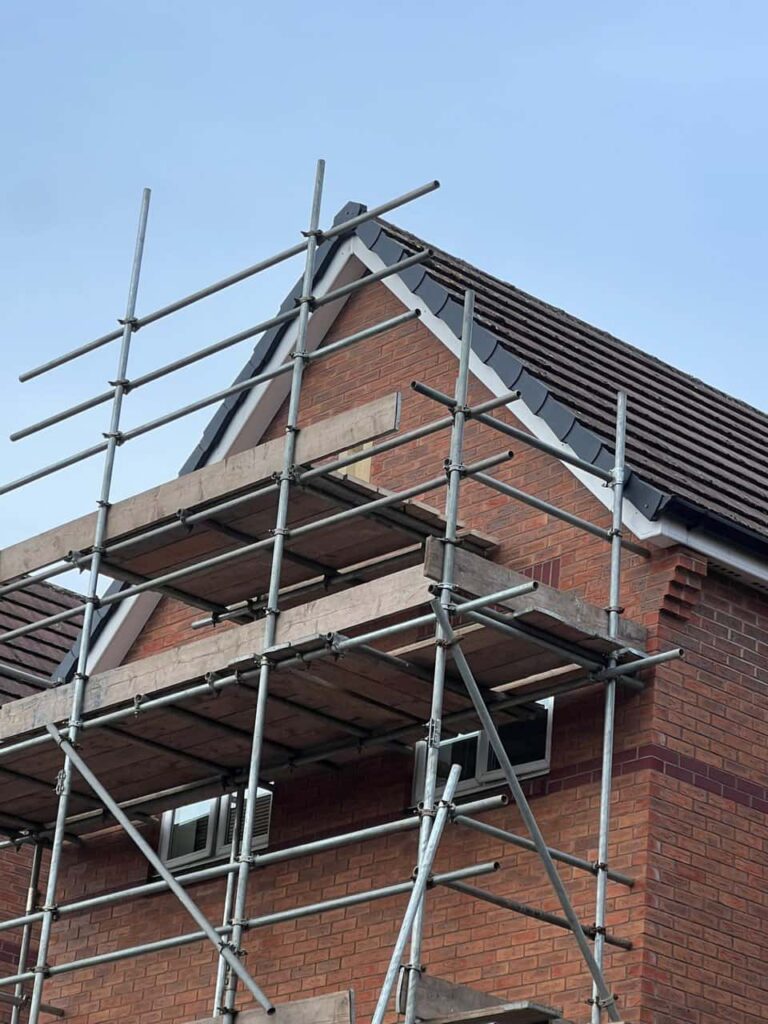
A roof leak is one of the most common issues homeowners face, and yet it can be surprisingly difficult to pinpoint exactly where the problem begins. Water has a tendency to travel, meaning the damp patch visible on your ceiling is rarely located directly beneath the source of the leak. For homeowners in Faringdon and the wider Oxfordshire area, understanding how roof leaks develop and how they can be traced is essential for preventing further damage and restoring the integrity of the roof.
Start by Identifying Interior Signs
The first clue is usually found inside the property. Stains on the ceiling, peeling paint, or damp marks along interior walls often indicate that water is entering the home. By noting the exact location of these marks, you create a starting point for tracing the path of the leak.
Even if the signs appear small, they should never be ignored. Water ingress can escalate quickly and affect insulation, timber, plaster, and electrical components if left unchecked.
Follow the Path of Water Movement
Water rarely takes a direct route downward. Instead, it travels along rafters, joists, and other structural components before emerging indoors. An experienced roofer will carefully examine the loft space above the affected area, checking for moisture trails, damp insulation, or visible drips. These observations help narrow down the possible entry points at roof level.
Accessing the loft also allows for a closer inspection of the roof structure from beneath, making it easier to spot daylight shining through gaps or damaged areas.
Inspect the Roof Surface Methodically
Once the internal investigation provides a general area of concern, attention shifts to the roof exterior. Several common issues can cause leaks:
Damaged or Slipped Tiles
A single displaced or cracked tile can allow water to enter the roof space, especially during heavy rain or wind-driven storms.
Worn or Split Underlay
The roofing underlay serves as a secondary barrier. If it has deteriorated with age, water can bypass it.
Faulty Flashing
Areas around chimneys, skylights, or roof joints rely on flashing to keep water out. When flashing loosens or corrodes, it becomes a frequent entry point for leaks.
Blocked Valleys or Gutters
Debris can obstruct water flow, forcing water back under the tiles and into the roof structure.
Porous Mortar or Ridge Issues
Over time, mortar can break down, allowing water to penetrate vulnerable areas.
By examining these elements carefully, the roofer can confirm where the leak originated and recommend the most suitable repair.
Consider the Weather Conditions at the Time of the Leak
Understanding when the leak occurred can provide additional insight. For example:
- Leaks during heavy wind may indicate damaged tiles or flashing.
- Leaks during prolonged rain could point to worn underlay or blocked drainage routes.
- Leaks appearing only in winter may relate to condensation within the loft.
This information adds context and helps determine whether the issue is isolated or part of a wider roofing problem.
Preventing Future Leaks
Once the leak is traced and repaired, preventive measures can help maintain the roof’s condition. Regular inspections, debris removal, and timely maintenance ensure small issues are found early, reducing the likelihood of future leaks.
For homeowners in Faringdon, this proactive approach keeps the roof performing reliably throughout the year.
Conclusion
Tracing the source of a roof leak requires a clear understanding of how water moves through the structure, from the interior signs down to the roof surface itself. By carefully assessing each stage, the cause can be identified accurately and repaired effectively.
If you have noticed signs of a leak in your home, LJ Roofing Faringdon is ready to help. Contact us today to arrange an inspection and ensure your roof receives the attention it needs.
Call us on: 01367 707 078
Click here to find out more about LJ Roofing Faringdon
Click here to complete our contact form and see how we can help with your roofing needs.